

 Myopia management
 Dry Eye Treatment

What Is a Visual Field Test Used For?
Blog:What Is a Visual Field Test Used For?
What Is a Visual Field Test Used For?
When you visit Texas State Optical for a comprehensive eye exam, your optometrist may recommend a visual field test. While a standard eye chart measures how clearly you see straight ahead, a visual field test evaluates how well you see everything around you - including your peripheral (side) vision, upper and lower vision, and central vision.
Your visual field is the entire area visible when you focus your eyes on a single point. Even if your central vision is sharp, there can be subtle blind spots or areas of reduced sensitivity in your peripheral vision. A visual field test maps these areas to detect changes that might otherwise go unnoticed.
Detecting Glaucoma Early
One of the primary uses of a visual field test is detecting and monitoring glaucoma. Glaucoma damages the optic nerve, often without noticeable symptoms in its early stages. In many cases, peripheral vision loss is the first sign.
Because this loss happens gradually, patients may not realize their field of vision is narrowing. A visual field test can identify these changes early - before significant vision loss occurs. Early detection allows your optometrist to begin treatment promptly and slow or prevent further damage.
Monitoring Neurological Conditions
Your eyes and brain work closely together. The optic nerve carries visual information from your eyes to your brain, so certain neurological conditions can affect your visual field.
Strokes, brain injuries, or tumors can create distinctive patterns of vision loss. For example, losing the same side of vision in both eyes may signal a neurological issue rather than a problem within the eye itself. Visual field testing helps identify these patterns and determine whether additional medical evaluation is needed.
Identifying Retinal Disorders
The retina plays a vital role in processing light and sending signals to the brain. Conditions such as retinal detachment, diabetic retinopathy, or macular degeneration can cause blind spots or areas of decreased vision.
Even when central vision appears clear, peripheral or localized defects may be present. A visual field test can help detect and monitor these changes, allowing for earlier intervention and better long-term outcomes.
Evaluating Physical Obstructions
Visual field testing is also used to assess how physical conditions affect vision. For example, severely droopy eyelids (ptosis) can block part of your upper visual field. Testing measures the extent of obstruction and helps determine whether corrective treatment or surgery is medically necessary. In some cases, this documentation is required for insurance approval.
Tracking Changes Over Time
Visual field testing is not only for diagnosis - it’s also essential for monitoring. If you have glaucoma or another eye condition, your optometrist may recommend periodic testing to track progression.
By comparing results over time, your doctor can determine whether treatment is working or if adjustments are needed. This ongoing monitoring plays a key role in preserving long-term vision.
What to Expect During the Test
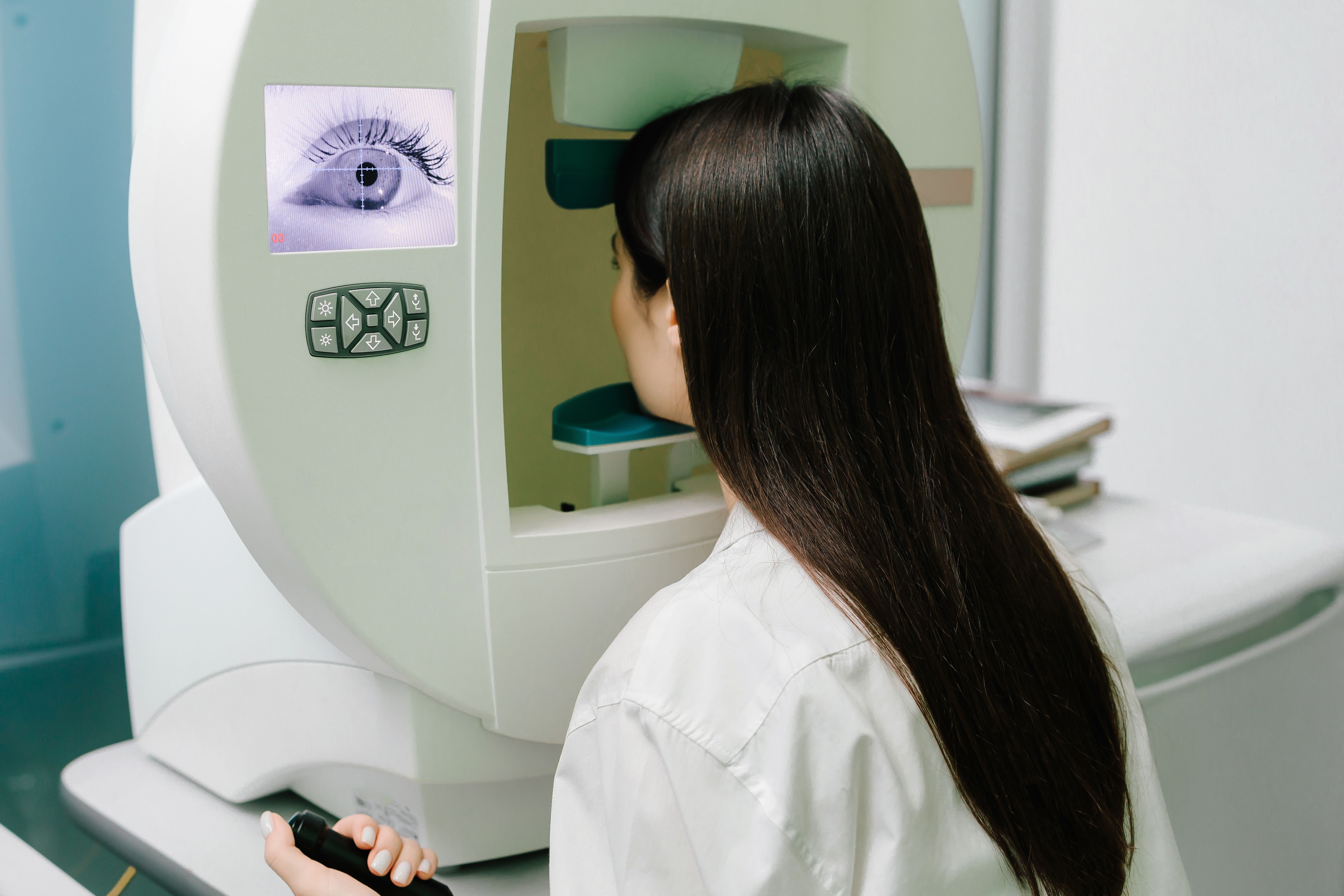
A visual field test is simple, painless, and non-invasive. During the most common type - automated perimetry - you’ll look straight ahead into a bowl-shaped instrument. Small lights will flash in different areas of your peripheral vision, and you’ll press a button each time you see one.
The test typically takes only a few minutes per eye and requires focus and concentration. The results provide a detailed map of your visual field, highlighting any areas of concern.
Protect Your Vision with Comprehensive Testing
A visual field test measures how completely you see - not just how clearly you see. It plays a critical role in detecting glaucoma, identifying neurological and retinal conditions, evaluating physical obstructions, and monitoring changes over time. Because many serious eye conditions develop gradually and without obvious symptoms, this test provides valuable insight that routine vision screenings alone cannot offer.
If it’s been a while since your last eye exam or you’ve noticed changes in your vision, schedule an appointment at Texas State Optical. Visit our office in Richmond, Texas, or call (346) 210-5200 to book an appointment today.
Quick Links
Helpful Articles
article_category: products
article_category: psychiatry
article_category: faqs
article_category: cats
article_category: general
article_category: services
article_category: technology
article_category: dogs
article_category: restorative
article_category: vision therapy
article_category: contact lenses
article_category: health
article_category: conditions
article_category: eye surgery co-management
article_category: exotic
article_category: cosmetic
article_category: surgical procedures
article_category: aesthetics
article_category: preventative
article_category: ocular disease management
article_category: eyeglasses
article_category: eye health
article_category: large animal
[]
article_category: psychiatry
article_category: faqs
article_category: cats
article_category: general
article_category: services
article_category: technology
article_category: dogs
article_category: restorative
article_category: vision therapy
article_category: contact lenses
article_category: health
article_category: conditions
article_category: eye surgery co-management
article_category: exotic
article_category: cosmetic
article_category: surgical procedures
article_category: aesthetics
article_category: preventative
article_category: ocular disease management
article_category: eyeglasses
article_category: eye health
article_category: large animal
[]
Flowbite is an open-source library of interactive components built on top of Tailwind CSS including buttons, dropdowns, modals, navbars, and more.
Check out this guide to learn how to get started and start developing websites even faster with components on top of Tailwind CSS.

All Eyecare Services
We offer a wide variety of eye care services to the Richmond community. Contact us with any questions about our services.

Keep In Touch
For non-urgent questions or to learn more about our services, contact us today!

Contact Information
Office Hours
- Monday 9:00 AM - 6:00 PM
- Tuesday 9:00 AM - 7:00 PM
- Wednesday 9:00 AM - 6:00 PM
- Thursday 9:00 AM - 7:00 PM
- Friday 9:00 AM - 6:00 PM
- Saturday 8:30 AM - 4:00 PM
- Sunday Closed
- Monday 9:00am - 6:00pm
- Tuesday 9:00am - 6:00pm
- Wednesday 9:00am - 6:00pm
- Thursday 9:00am - 6:00pm
- Friday 9:00am - 6:00pm
- Saturday 10:00am - 2:00pm
- Sunday Closed
- Monday 8:00am - 5:00pm
- Tuesday
- Wednesday
- Thursday
- Friday
- Saturday
- Sunday
© 2026 Texas State Optical. All rights Reserved - Accessibility Statement - Privacy Policy - Sitemap
Managed and Designed by 