

 Myopia management
 Dry Eye Treatment

Managing Rapid Prescription Shifts: A Parent’s Guide to Myopia Management in Richmond
Blog:Managing Rapid Prescription Shifts: A Parent’s Guide to Myopia Management in Richmond
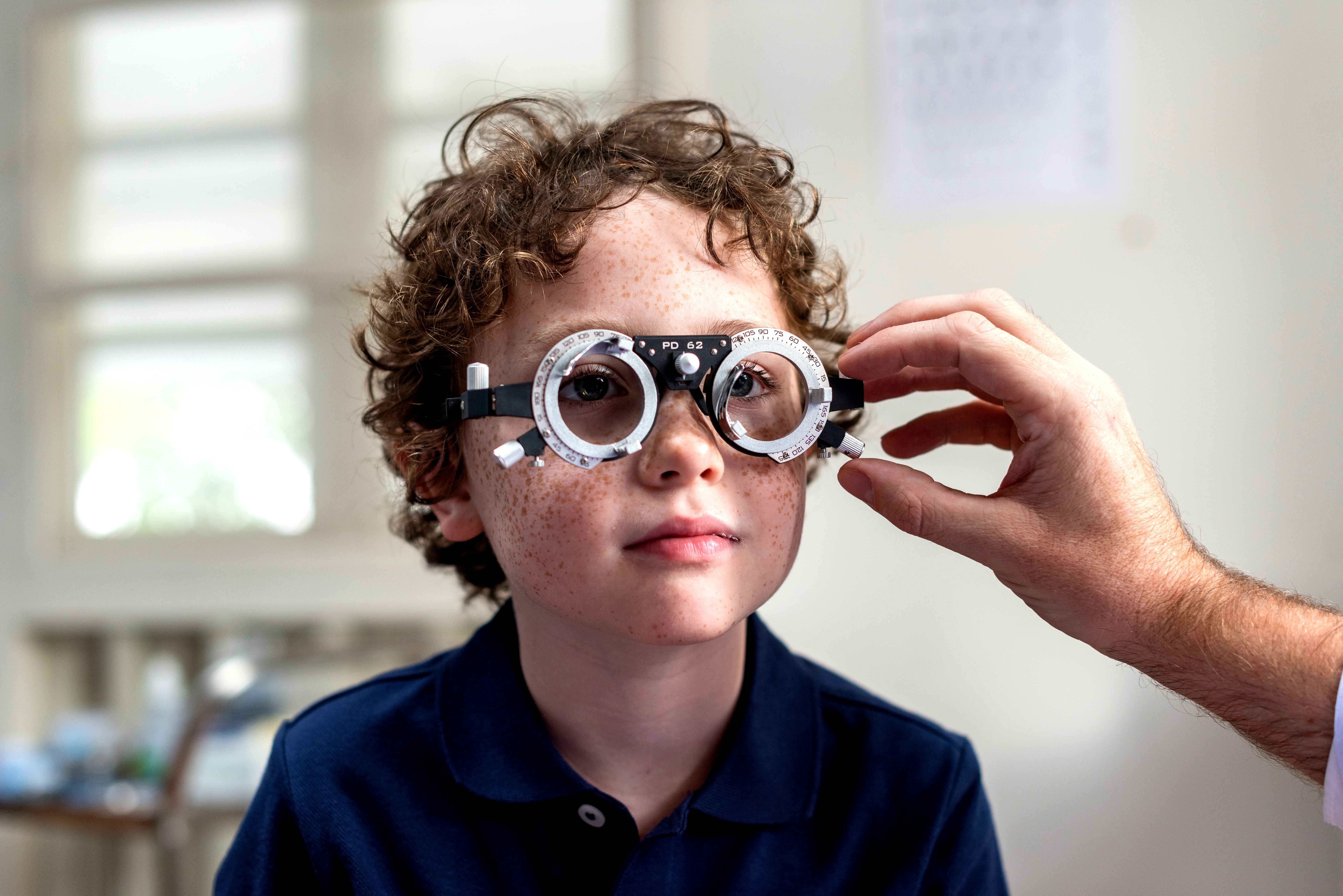
Managing Rapid Prescription Shifts: A Parent’s Guide to Myopia Management in Richmond
When your child needs stronger glasses every year, it may feel like updating the prescription is simply part of growing up. While prescription changes are common, repeated increases in nearsightedness can signal progressive myopia. Instead of only correcting blurry distance vision, myopia management focuses on slowing how quickly the condition progresses.
At Texas State Optical Richmond Aliana, we provide personalized myopia management for children in Richmond. By monitoring prescription changes and selecting treatment based on your child's individual needs, we can take a more proactive approach to their developing vision.
Why Does My Child's Prescription Keep Changing?
Myopia, or nearsightedness, commonly develops when the eye grows too long from front to back. Instead of light focusing directly on the retina, it focuses in front of it, causing distant objects to appear blurry.
During childhood and adolescence, the eyes are still developing. Myopia can therefore continue progressing, sometimes leading to noticeable prescription changes from one annual exam to the next.
Signs your child's myopia may be progressing include:
- Squinting to see the classroom board
- Sitting closer to the television or other distant objects
- Complaining about blurry distance vision
- Needing stronger glasses at repeated exams
- Difficulty recognizing signs or faces from farther away
- Moving closer to see during school, sports, or activities
- Increasing dependence on glasses throughout the day
Regular eye exams help us compare these changes rather than waiting until your child complains that their glasses no longer work.
Why Stronger Glasses Alone May Not Be Enough
Traditional single-vision glasses correct the blur caused by myopia. They are important for helping a child see clearly, but they are not designed to actively slow myopia progression.
Myopia management uses specialized treatments intended to reduce the rate at which nearsightedness worsens.
This matters because higher levels of myopia are associated with greater lifetime risks of certain eye conditions, including retinal detachment, glaucoma, and myopic macular degeneration. Slowing progression during childhood may help reduce how nearsighted a child ultimately becomes.
MiSight Offers Daytime Myopia Control
MiSight 1 day contact lenses are soft daily disposable contacts specifically designed for childhood myopia management in eligible patients.
The lenses provide clear distance vision while using a specialized optical design to help slow myopia progression. Children wear a fresh pair during the day and discard them at night, eliminating the need to clean and store reusable lenses.
For active Richmond children who prefer freedom from glasses during school or sports, MiSight may be a convenient option.
Ortho-K Works While Your Child Sleeps
Orthokeratology, or Ortho-K, takes a different approach. Custom rigid lenses are worn overnight to gently and temporarily reshape the cornea.
After removing the lenses in the morning, many patients can see clearly throughout the day without glasses or daytime contacts. Ortho-K is also used as a myopia management strategy for appropriate children.
Successful treatment requires consistent overnight wear, careful lens hygiene, and regular follow-up visits to monitor corneal health and lens fit.
Atropine May Be Another Option
Low-dose atropine eye drops can also be used to help slow childhood myopia progression. The drops are typically used according to a prescribed schedule and may be considered based on your child's age, prescription changes, lifestyle, and overall treatment needs.
Myopia management is not one-size-fits-all. Some children are better suited for contact lenses, while others may benefit from atropine or another approach.
Monitoring Is Part of Myopia Management
Starting treatment is only the beginning. Follow-up visits allow us to track prescription changes, evaluate eye health, and determine whether the current plan is effectively slowing progression.
If your child's glasses prescription seems to change every year, schedule a myopia management evaluation with Texas State Optical Richmond Aliana at 10177 W. Grand Parkway South #101, Richmond, TX, or call (346) 210-5200 to explore a personalized plan for slowing myopia progression and supporting clearer vision as their eyes develop.
Quick Links
Helpful Articles
article_category: products
article_category: psychiatry
article_category: faqs
article_category: cats
article_category: general
article_category: services
article_category: technology
article_category: dogs
article_category: restorative
article_category: vision therapy
article_category: contact lenses
article_category: health
article_category: conditions
article_category: eye surgery co-management
article_category: exotic
article_category: cosmetic
article_category: surgical procedures
article_category: aesthetics
article_category: preventative
article_category: ocular disease management
article_category: eyeglasses
article_category: eye health
article_category: large animal
[]
article_category: psychiatry
article_category: faqs
article_category: cats
article_category: general
article_category: services
article_category: technology
article_category: dogs
article_category: restorative
article_category: vision therapy
article_category: contact lenses
article_category: health
article_category: conditions
article_category: eye surgery co-management
article_category: exotic
article_category: cosmetic
article_category: surgical procedures
article_category: aesthetics
article_category: preventative
article_category: ocular disease management
article_category: eyeglasses
article_category: eye health
article_category: large animal
[]
Flowbite is an open-source library of interactive components built on top of Tailwind CSS including buttons, dropdowns, modals, navbars, and more.
Check out this guide to learn how to get started and start developing websites even faster with components on top of Tailwind CSS.

All Eyecare Services
We offer a wide variety of eye care services to the Richmond community. Contact us with any questions about our services.

Keep In Touch
For non-urgent questions or to learn more about our services, contact us today!

Contact Information
Office Hours
- Monday 9:00 AM - 6:00 PM
- Tuesday 9:00 AM - 7:00 PM
- Wednesday 9:00 AM - 6:00 PM
- Thursday 9:00 AM - 7:00 PM
- Friday 9:00 AM - 6:00 PM
- Saturday 8:30 AM - 4:00 PM
- Sunday Closed
- Monday 9:00am - 6:00pm
- Tuesday 9:00am - 6:00pm
- Wednesday 9:00am - 6:00pm
- Thursday 9:00am - 6:00pm
- Friday 9:00am - 6:00pm
- Saturday 10:00am - 2:00pm
- Sunday Closed
- Monday 8:00am - 5:00pm
- Tuesday
- Wednesday
- Thursday
- Friday
- Saturday
- Sunday
© 2026 Texas State Optical. All rights Reserved - Accessibility Statement - Privacy Policy - Sitemap
Managed and Designed by 